
AC Condensate Line Leaks: The Quiet Cause of Ceiling Water Damage in Florida
AC Condensate Leaks in Naples: Direct Cause & Damage Answer
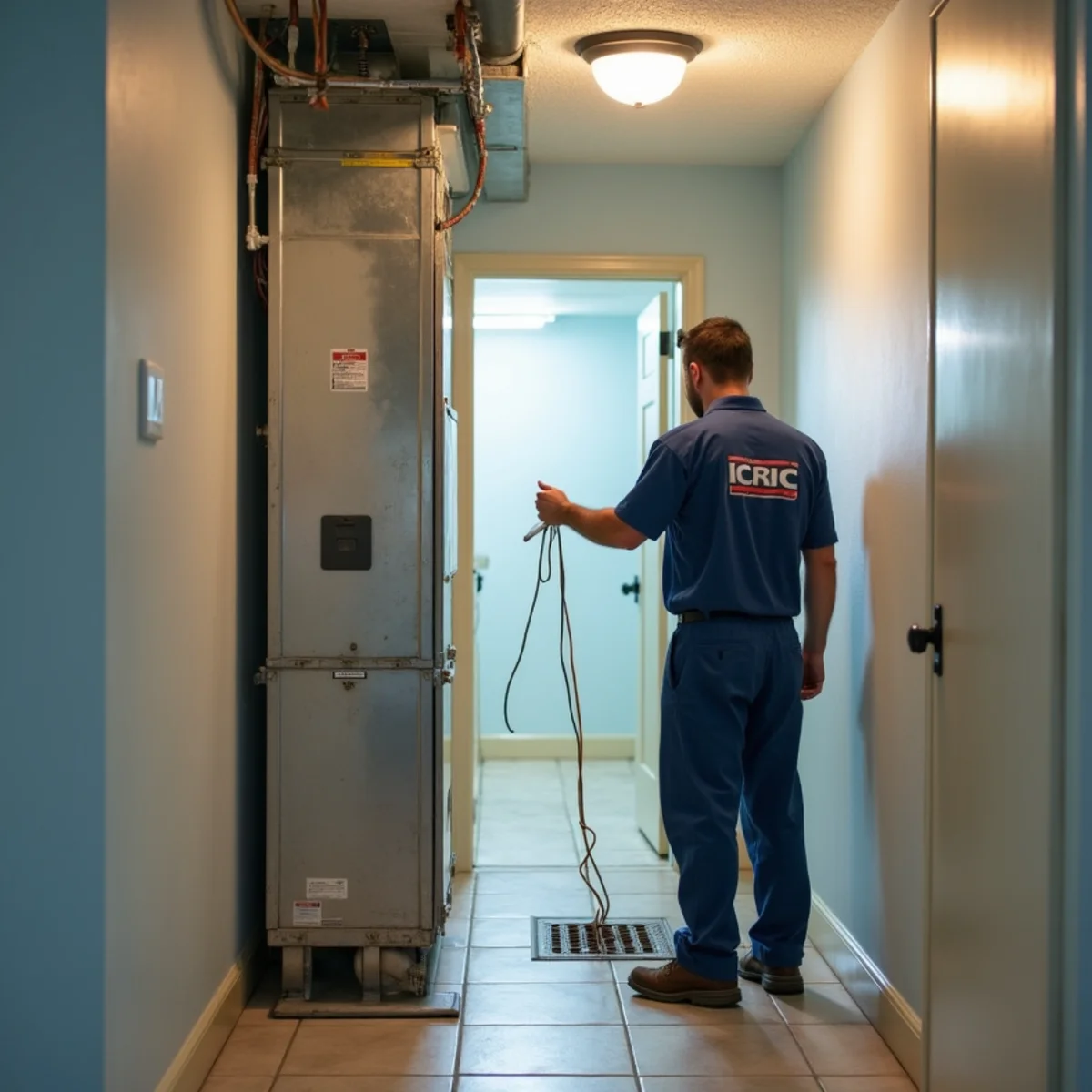
Air conditioning condensate drain line clogs represent the single leading cause of residential ceiling water damage and attic mold in Southwest Florida. During 90°F summer days with 85% ambient humidity, a central air handler condenses 10 to 20 gallons of water daily out of the indoor air. When airborne dust and bacterial algae plug the 3/4-inch PVC drain pipe, water backs up and overflows the auxiliary drain pan, saturating attic insulation and collapsing drywall ceilings below within 24 to 48 hours.
Preventing thousands of dollars in structural demolition requires installing a secondary magnetic float safety switch and scheduling monthly drain flushes with distilled white vinegar.
Why Air Conditioner Drain Lines Clog Constantly in Southwest Florida
In Collier and Lee counties, air conditioners run nearly year-round. Inside the dark, warm evaporator coil housing, condensed moisture combines with airborne skin cells, pet dander, and mold spores to create a gelatinous microbial biofilm known as 'zooglea' or white slime.
This biological slime glides down the primary 3/4-inch PVC drain line until it catches on an elbow fitting or the exterior P-trap. Once the drain restricts, back pressure forces water to fill the internal coil pan and spill into the emergency auxiliary pan beneath the air handler.
If the auxiliary pan has rusted through, cracked, or lacks a functioning secondary safety float switch, water discharges directly into attic insulation, bedroom ceilings, or hallway closets.
Need Immediate Emergency Extraction in Naples?
Standing water damages drywall and fosters mold in 24 to 48 hours. Speak to a live restoration coordinator right now.
Crews on standby across Naples, Marco Island & Bonita Springs
Preventative AC Maintenance & Mechanical Safeguards Matrix

Naples homeowners and condominium owners can protect their ceilings by verifying five critical mechanical safeguards:
| AC Component / Safeguard | Recommended Inspection Protocol | Failure Vulnerability | Consequence of Inaction |
|---|---|---|---|
| Secondary Float Switch | Test annually by lifting mechanical float switch | Faulty wiring or rusted float mechanism | Unit runs continuously while pan overflows into ceiling |
| Condensate Drain Line Flush | Monthly flush with 1 cup distilled white vinegar | Algae, bacterial zooglea & biofilm accumulation | Complete pipe blockage backing water into living areas |
| Auxiliary Drain Pan | Inspect metal or composite pan for cracks / rust | Standing water corrosion eating holes through pan | Water bypasses pan directly onto attic drywall framing |
| Air Filter Replacement | Replace MERV 8–11 pleated filter every 30–60 days | Clogged filter restricts airflow causing frozen coils | Frozen coil melts rapidly, overwhelming drain capacity |
| P-Trap Cleanout Cap | Ensure removable threaded cap is sealed tightly | Air suction stalls gravity condensate drainage | Water pools in primary pan and spills into air handler |
Immediate Triage When Water Drips from Your Ceiling
If water begins dripping from your ceiling beneath an attic or closet air handler, execute these emergency steps:
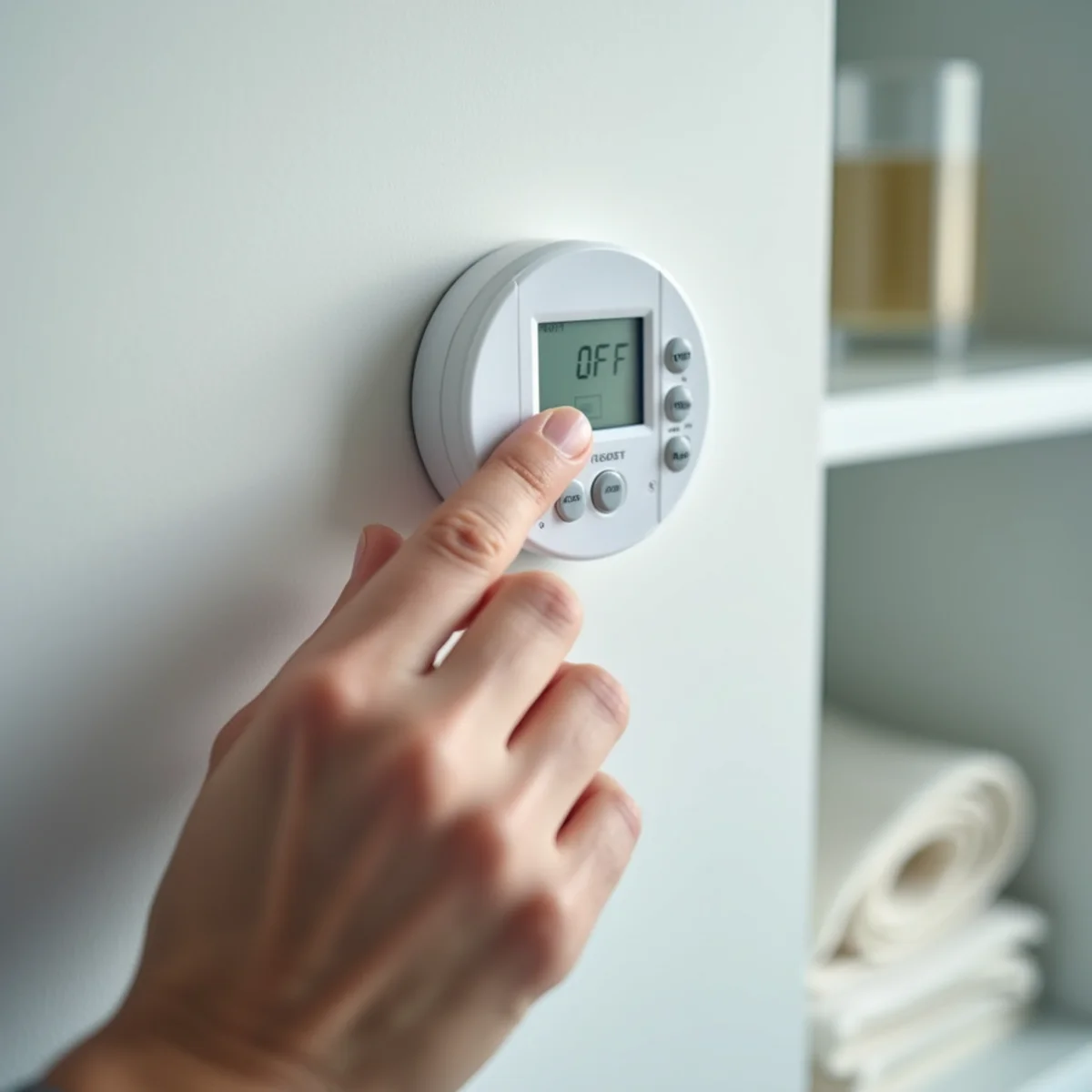
1. Switch the Thermostat to OFF: Immediately turn the thermostat system setting to 'OFF'. Do not leave the fan running; cutting power halts active refrigerant condensation.
2. Relieve Ceiling Water Pockets: If you observe a bulging latex paint blister on the ceiling, place a 5-gallon bucket beneath it and gently puncture the blister with a pencil or screwdriver. Draining water relieves weight and prevents the entire drywall sheet from ripping off ceiling joists.
3. Clear Belongings & Electronics: Remove televisions, rugs, and antique furniture from the splash zone.
Non-Destructive Cavity Drying for Ceiling Drywall and Insulation
Many contractors immediately rip down entire ceilings after an AC leak. At Ultra Mold & Water Pros, we prioritize non-destructive structural drying whenever possible.
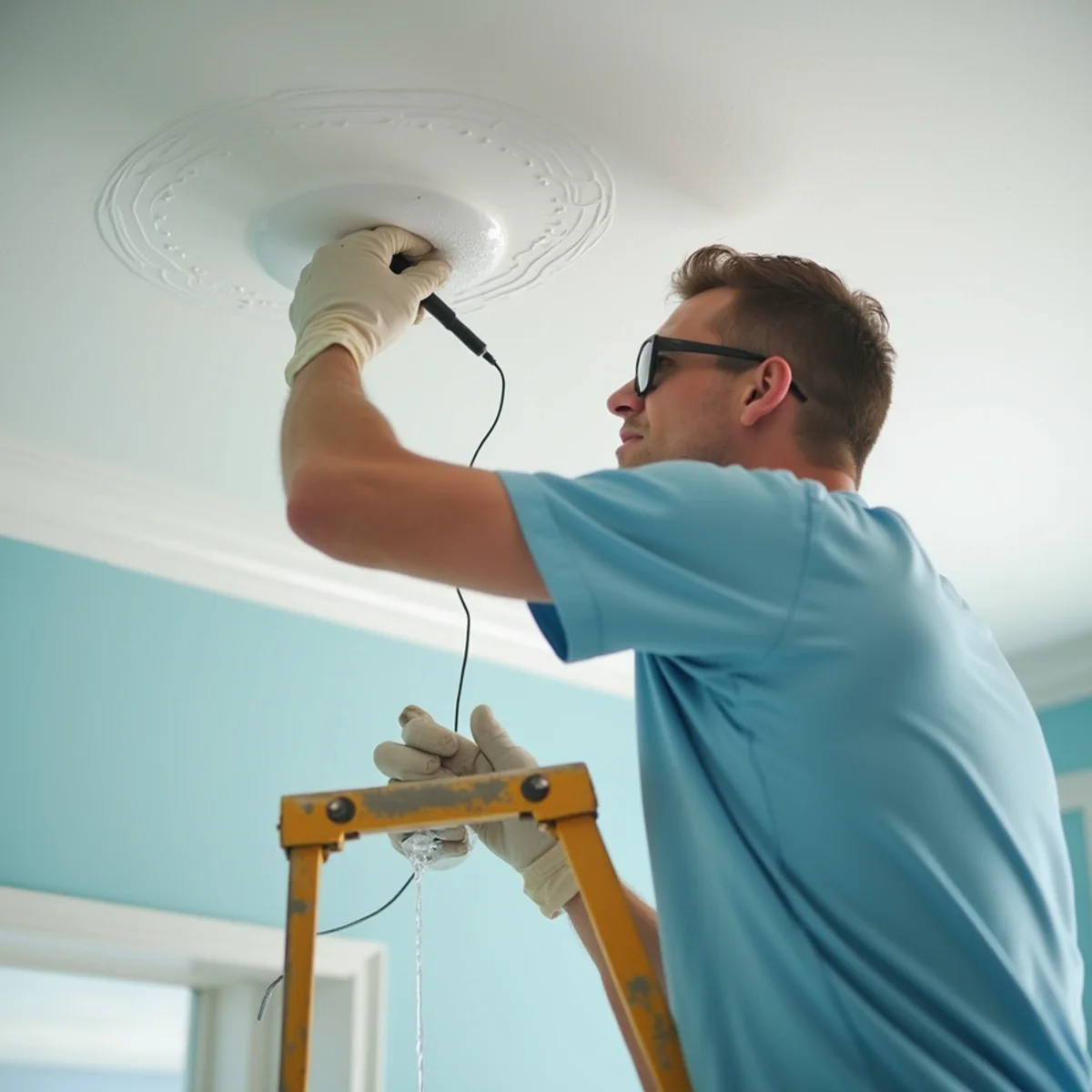
If water extraction begins within 24 to 48 hours and the water is clean Category 1 condensate, our technicians deploy directed cavity drying equipment. We extract water from above in the attic, remove saturated batt insulation, and inject warm, low-grain air through discreet ceiling inspection holes. This technique preserves expensive crown molding, custom knockdown ceiling texture, and interior paint.
Recommended Restoration Services & Coverage Zones
Related solutions referenced in this guide:
Questions Answered in this Guide
Quick reference summary for homeowners and property managers.
Pour 1 cup of distilled white vinegar into your air handler condensate access T-pipe once a month, replace your air filter every 30 to 60 days, and have an HVAC technician verify that your auxiliary drain pan has an operational secondary float switch.
Have a question specific to your property? Call our 24/7 restoration helpline: (831) 303-1192
Questions about your restoration project?
Send us a message or call our 24/7 emergency dispatch line directly. For the fastest help, call (831) 303-1192.