Soot, Smoke & Firefighting Water: The Step-by-Step Restoration Guide
The Double Crisis: Acidic Soot and Firefighting Water in Naples Homes
When municipal firefighters extinguish a structural fire in Naples, property owners face an urgent dual crisis: toxic, acidic soot fallout coating every horizontal and vertical surface, and thousands of gallons of standing water saturating structural subflooring, drywall, and custom millwork. Water extraction must commence immediately because Southwest Florida's ambient heat and 85%+ relative humidity trigger microbial mold colonization across wet gypsum wallboard within 24 to 48 hours. Concurrently, combustion residues contain sulfuric and nitric acids that chemically etch into marble countertops, bathroom fixtures, and architectural glazing if not neutralized within hours.
Restoring a fire-damaged property requires certified technicians who understand both psychrometric structural drying and chemical soot neutralization. Attempting to wash soot with standard household cleaners or water-based sponges will permanently smear carbon particles into wall paint and porous upholstery, creating irreversible staining. Professional mitigation involves a staged protocol: bulk water extraction, mechanical air stabilization, chemical soot remediation, and deep molecular deodorization.
The Chemistry of Combustion Residues: Wet, Dry, and Protein Soot
Not all fire smoke produces the same chemical fallout. Restoration methodology depends entirely on the combustion temperature, fuel type, and oxygen availability during the fire. In modern Naples residences—where synthetic furnishings, electronics, PVC conduits, and open-plan luxury kitchens predominate—combustion residues fall into distinct classifications requiring specialized chemistry:
Dry chemical soot forms during fast-burning, high-temperature structural fires fueled by wood, paper, and natural cotton. It produces dry, powdery carbon deposits that do not smear readily and can be lifted using vulcanized rubber chemical sponges and multi-stage HEPA vacuums. Conversely, wet soot results from smoldering, oxygen-starved fires involving rubber, synthetic foam cushioning, and PVC plastic. It leaves a sticky, greasy, highly pungent residue with extreme acid concentrations that corrodes structural metals, appliance circuit boards, and HVAC coils.
The most deceptive residue is protein soot, generated when animal fats or vegetable cooking oils evaporate during an unattended stove fire. Protein soot leaves almost no visible black carbon, depositing a thin, yellowish-amber film that penetrates deep into cabinetry wood pores, drywall paper, and acoustic ceilings. Despite being nearly invisible, protein soot produces the most pungent, persistent rancid odor of all fire residues and requires specialized enzyme-based digesters to break down the lipid chains before structural sealing.
| Soot Classification | Typical Combustion Source | Surface Behavior & Acidity | Restoration Cleaning Protocol |
|---|---|---|---|
| Dry Chemical / Synthetic Soot | Plastics, electrical wiring, PVC conduits | High-smear, ionized microscopic particulate; moderately acidic | Multi-stage HEPA vacuuming, vulcanized rubber dry sponge wiping, solvent cleaning; avoid water |
| Wet / Oily Soot | Low-heat smoldering wood, rubber, foam cushions | Sticky, greasy, heavy black residue; highly acidic and corrosive | Alkaline degreasing agents, emulsifying surface washes, hot water extraction, structural sealing |
| Protein Residue | Evaporated animal fats, kitchen cooking grease | Nearly invisible yellow-amber film, intense rancid odor, highly penetrating | Enzyme-based protein digesters, aggressive mechanical agitation, deep shellac barrier encapsulation |
| Acidic Ash Fallout | Roof truss framing, structural drywall, cellulose insulation | Corrosive salt deposits activated by ambient Naples humidity | Immediate pH-neutralizing wash on metals, marble, and glass fixtures; high-capacity HEPA extraction |
Need Immediate Emergency Extraction in Naples?
Standing water damages drywall and fosters mold in 24 to 48 hours. Speak to a live restoration coordinator right now.
Crews on standby across Naples, Marco Island & Bonita Springs
Acidic Corrosion Timeline: Why Hours Determine Surface Salvageability
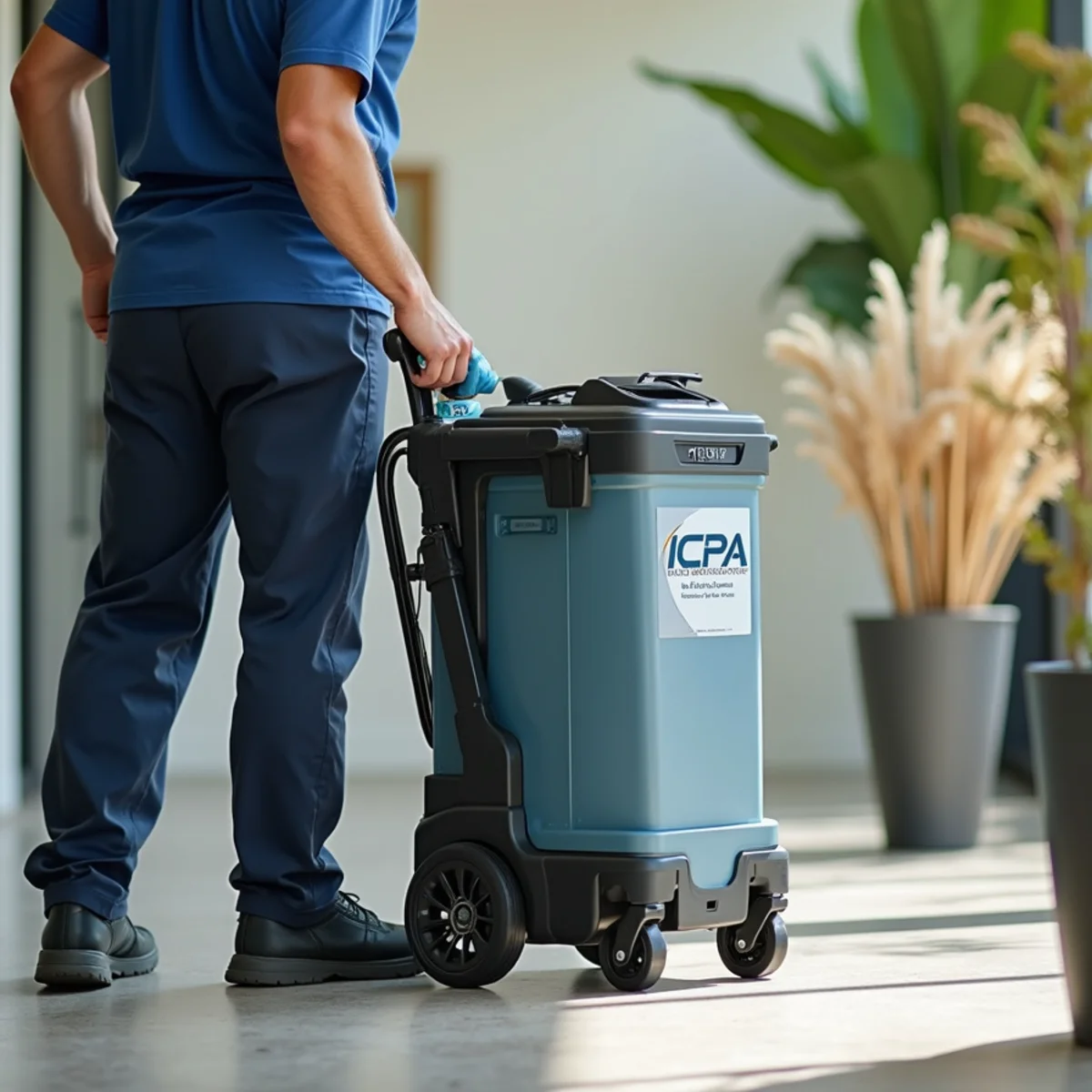
Chemical soot is intensely acidic, with pH levels frequently dropping between 2.0 and 4.0. In the high-humidity environment of Collier County, moisture vapor in the air accelerates the corrosive reaction between soot acids and delicate building finishes. Understanding the post-fire corrosion timeline explains why emergency restoration must mobilize without delay:
Within minutes of smoke contact, porous plastics, fiberglass tub surrounds, and unfinished woods absorb volatile organic compounds and begin to yellow. Within hours, acidic residues cause polished brass, chrome fixtures, stainless steel appliances, and copper wiring to pit and tarnish. Natural stone countertops—such as Carrara marble, travertine, and polished limestone common in Naples coastal estates—suffer acid etching that strips away factory sealants and leaves dull, chalky blemishes.
By 48 to 72 hours, unaddressed soot permanently etches into architectural glass, window frames, and ceramic tile glazes, requiring costly structural demolition rather than surface cleaning. Furthermore, silver electrical contacts in breaker panels corrode, creating persistent fire hazards. Professional fire mitigation contractors deploy specialized alkaline neutralizing washes that stop chemical oxidation immediately upon contact, preserving tens of thousands of dollars in high-end structural fixtures.
Molecular Deodorization: Hydroxyl Radicals vs. Thermal Fogging
Over-the-counter air fresheners and masking perfumes only disguise smoke odors temporarily while respiratory toxins continue off-gassing into indoor breathing air. True deodorization requires neutralizing volatile organic compounds (VOCs) at the molecular level. Certified restoration teams utilize two primary professional deodorization technologies depending on occupancy requirements:
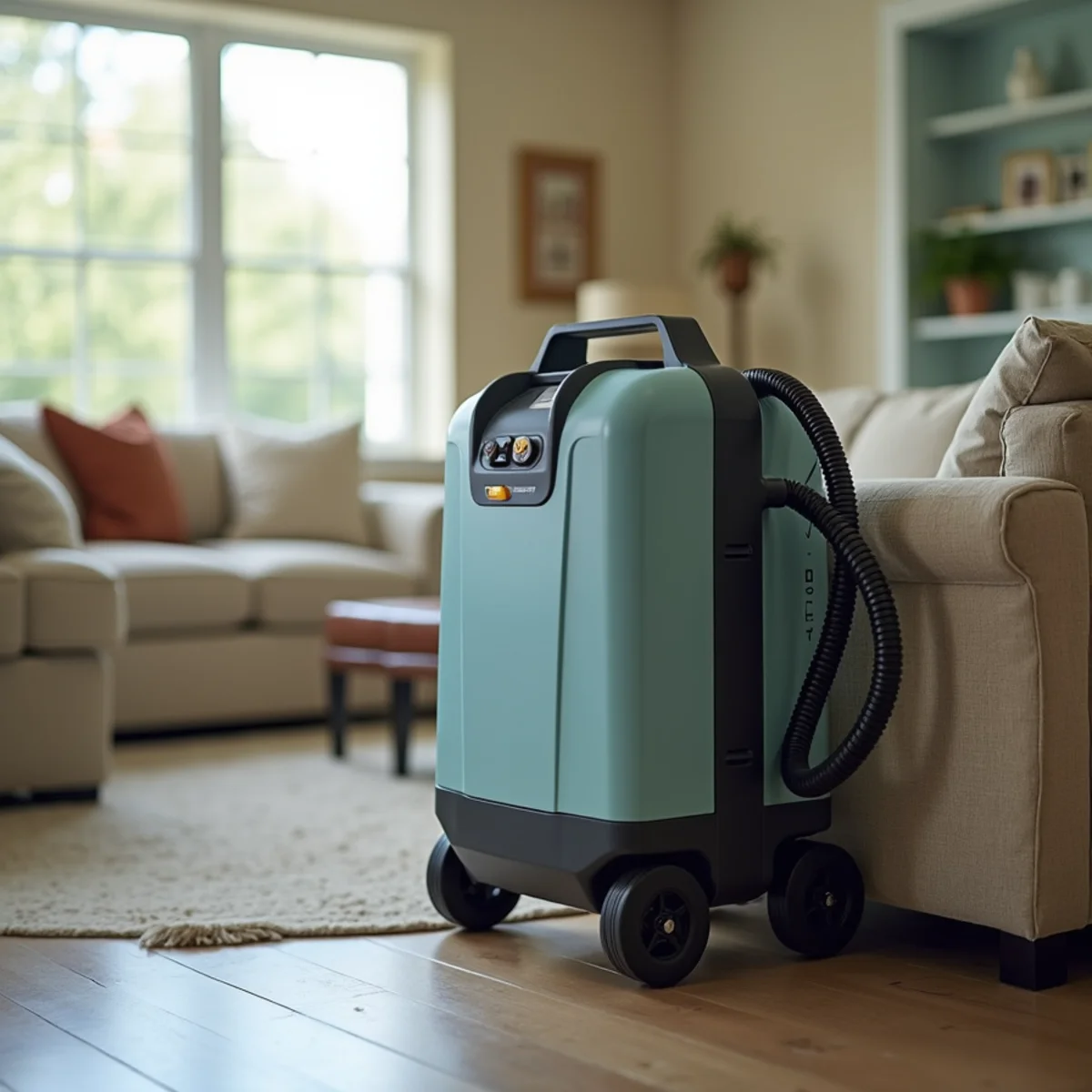
Atmospheric hydroxyl generators use specialized UV optics to replicate the natural cleansing power of outdoor sunshine. They split ambient water vapor molecules (H2O) into reactive hydroxyl radicals (OH-). These ultra-reactive radicals collide with smoke VOCs, hydrogen sulfide, and carbon molecules, dismantling their chemical bonds and rendering them inert water vapor and carbon dioxide. Because hydroxyl radicals are safe for humans, pets, and sensitive houseplants, hydroxyl generators can operate continuously inside occupied Naples residences while residents remain in unaffected wings of the home.
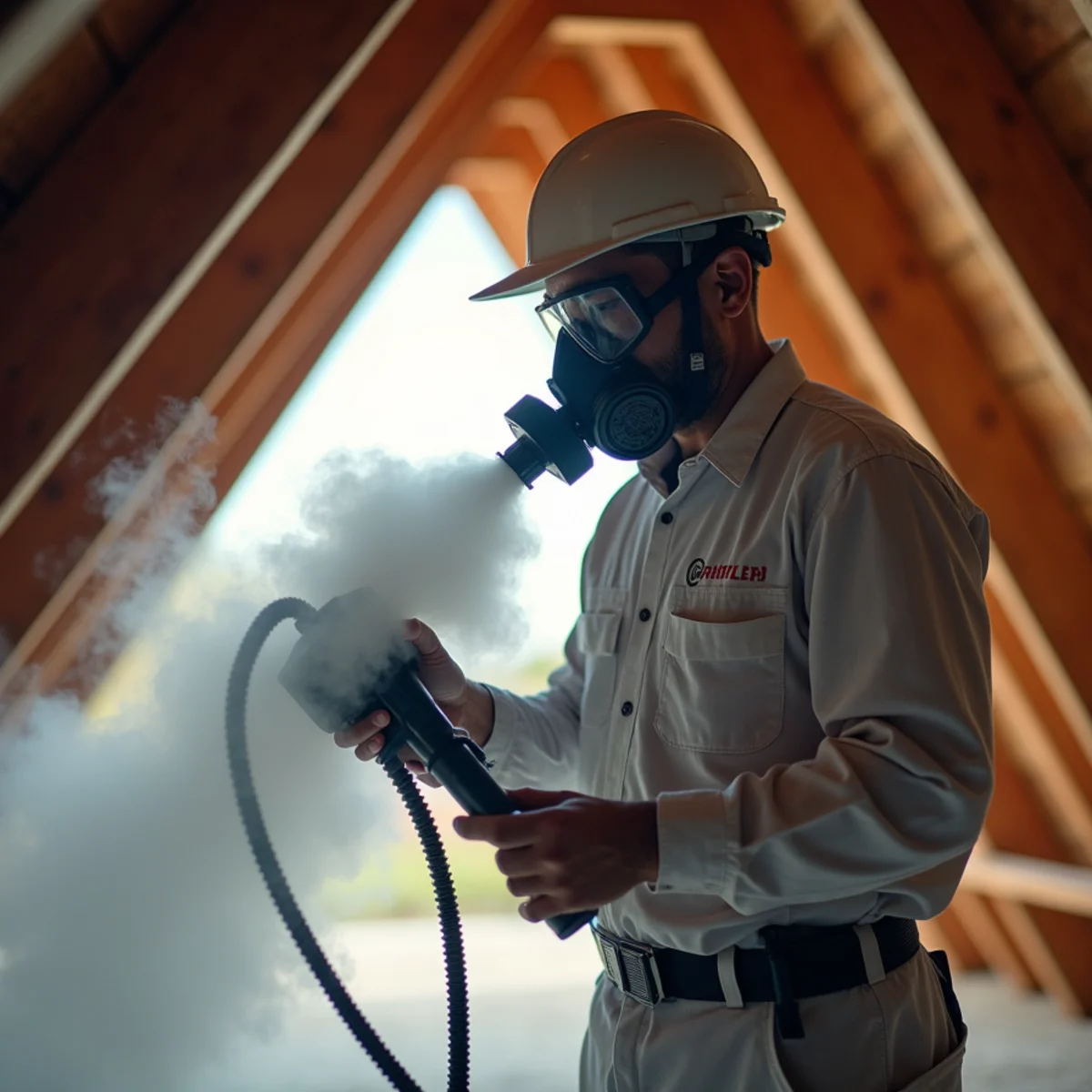
Thermal fogging, by contrast, is deployed in unoccupied structures during intensive structural restoration. A thermal fogger heats a specialized solvent-based deodorizing counteractant into microscopic droplets matching the exact particle size (0.5 to 2.0 microns) of the original smoke molecules. The thermal vapor follows the identical convective penetration paths that smoke took during the blaze, traveling behind baseboards, into ceiling framing cavities, and inside exterior wall insulation to permanently neutralize embedded smoke odors before structural encapsulation paint is applied.
Firefighting Water Extraction, Desiccant Drying, and HVAC Decontamination
Extinguishing an interior fire requires hundreds of gallons of water from fire department attack lines. This water cascades through ceilings, pools across tile or hardwood flooring, and saturates ground-level concrete slab foundations. The combination of standing firefighting water and airborne soot forms a corrosive sludge that must be extracted using commercial truck-mounted vacuum extractors within the first four hours.
Once standing water is removed, industrial desiccant dehumidifiers and air movers are positioned to establish hyper-dry air vortexes (under 15% relative humidity). Desiccant technology is essential in fire restoration because it achieves drastically lower dew points than standard refrigerant dehumidifiers, pulling moisture out of dense structural framing and fire-charred wood beams. Concurrently, the central HVAC air handler and ductwork must be sealed off completely. Operating an AC system after a fire distributes microscopic carcinogenic soot particulates across every room in the building. Ducts must undergo mechanical whip agitation, HEPA vacuuming, and antimicrobial sanitation before the air conditioning is safely re-energized.
Recommended Restoration Services & Coverage Zones
Related solutions referenced in this guide:
Questions Answered in this Guide
Quick reference summary for homeowners and property managers.
Municipal fire suppression leaves hundreds to thousands of gallons of water standing in subfloors and drywall. In Naples' warm subtropical climate, standing water triggers toxic black mold colonization within 24 to 48 hours. Emergency extraction and industrial desiccant drying must begin immediately to prevent secondary mold disaster while soot remediation proceeds.
Have a question specific to your property? Call our 24/7 restoration helpline: (831) 303-1192
Questions about your restoration project?
Send us a message or call our 24/7 emergency dispatch line directly. For the fastest help, call (831) 303-1192.